
Misconceptions of Human Trafficking

Have you heard about human trafficking? It is the abuse of children, women, and men for their bodies, labor, and organs. It’s modern-day slavery. It’s real. And it’s happening right here!

Human Trafficking by the Number

Human Trafficking is a $236 Billion industry worldwide
Globally, 49.6 million people are currently in slavery
The United States is #1 in the world for sex tourism
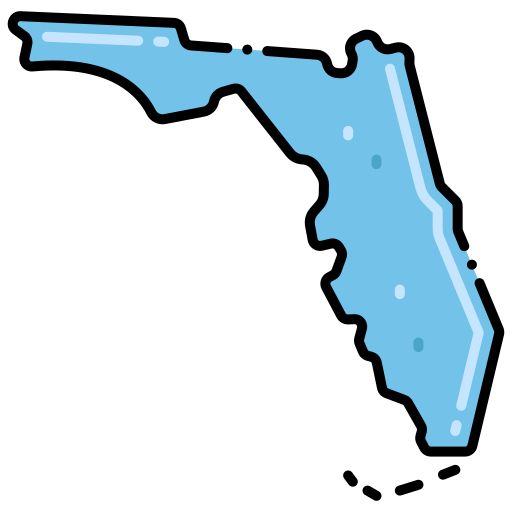
Florida Ranks #3 in Sex Trafficking Cases
60% of children that enter the foster care system, will be trafficked
Myths vs. Reality:
The Truth About Human Trafficking

Misconceptions about human trafficking allow it to hide in plain sight. Many believe it only happens in distant countries or that victims are always physically restrained, but the reality is far more complex.


Tap each tile to learn the truth and help bring this hidden issue to light.

Myth

Human trafficking only happens in other countries.

Reality

Human trafficking happens in every community, including cities, suburbs, and rural  areas across the U.S., which is one of the largest consumers of trafficking.

Myth

Trafficking victims are kidnapped and held against their will.

Reality

Most victims are not abducted but are controlled through coercion, manipulation,  and psychological abuse, often by people they know and trust.

Myth

Victims always know they are being trafficked.

Reality

Many victims don’t realize they are being trafficked. They may believe they’re in a bad  job or unhealthy relationship but don’t recognize it as trafficking.

Myth

Human trafficking only involves sexual exploitation.

Reality

Labor trafficking is just as common as sex trafficking, with victims forced to work in
industries like agriculture, construction, and domestic labor.

Myth

Traffickers can’t recruit people online.

Reality

Traffickers use social media, messaging apps, and fake job ads to lure victims into
exploitation, often posing as friends, romantic partners, or employers.

Myth

Strangers are the only traffickers.

Reality

Family members, romantic partners, and close acquaintances can be traffickers,
making it harder for victims to recognize they are being exploited.

Myth

Once a trafficking victim is rescued, they’re fine.

Reality

Survivors face ongoing challenges like PTSD, lack of job skills, and housing
insecurity, requiring long-term support for healing and reintegration.

Myth

I can’t do anything to stop trafficking.

Reality

Anyone can play a role in combating trafficking by knowing the signs, reporting
suspicious activity, and supporting organizations like Courageous and Free that help
survivors rebuild their lives.

How Trafficking Happens

Human trafficking is a hidden crime that often begins with manipulation, not force. Traffickers target vulnerable individuals, build trust, and use control tactics like threats, isolation, and debt to keep them trapped. Victims may be exploited for labor, sex, or domestic servitude in plain sight — in hotels, homes, farms, and factories. Understanding how trafficking happens is the first step toward prevention and intervention.

Trafficker targets a
vulnerable person

Human traffickers often seek out people who are vulnerable due to factors like poverty, homelessness, addiction, or unstable family situations. They look for individuals who need love, support, or opportunity.

Dependency and
trust are built

Traffickers don’t always use force from the start. Instead, they create a false sense of trust. They may pose as friends, romantic partners, or employers, offering love, protection, or a “better future.”

Manipulation and
Control

Once trust is established, traffickers use methods like isolation, threats, or emotional abuse to maintain control. Victims may be told they owe a “debt” or that their family will be harmed if they try to leave.

Exploitation
Begins

Victims are then forced into labor or sexual exploitation. This could happen in hotels, factories, construction sites, or private homes. Traffickers control every aspect of the victim’s life, often taking their ID, money, and access to communication.

Maintaining
Control

To keep victims from escaping, traffickers use fear, shame, and isolation. Victims may not see themselves as being “trafficked” and often feel they have nowhere to turn for help. This psychological control is one of the strongest tools traffickers use.

Rescue and
Recovery

Once rescued, survivors need ongoing support to heal and rebuild their lives, which is where organizations like Courageous and Free step in to provide safe housing, therapy, and essential resources.

Common Signs of Human Trafficking

Human trafficking isn’t always obvious, but there are key warning signs that could indicate someone is being exploited. From physical signs of abuse to controlling behavior and isolation, knowing what to look for can save lives. Explore the signs below to understand better how to recognize and report potential trafficking situations.

Physical Indicators
Behavioral Indicators
Control and Restrictions
Work and Living Conditions
Signs in Children or Minors
Signs of Isolation
Economic Control
Online and Social Media Red Flags
General Red Flags

Types of Human Trafficking

Sex Trafficking

What it is: Forcing, coercing, or deceiving someone into performing sexual acts for money or other goods.
Who it affects: Women, men, and children of all ages and backgrounds.
Where it happens: Hotels, motels, online platforms, strip clubs, massage parlors, and private residences.
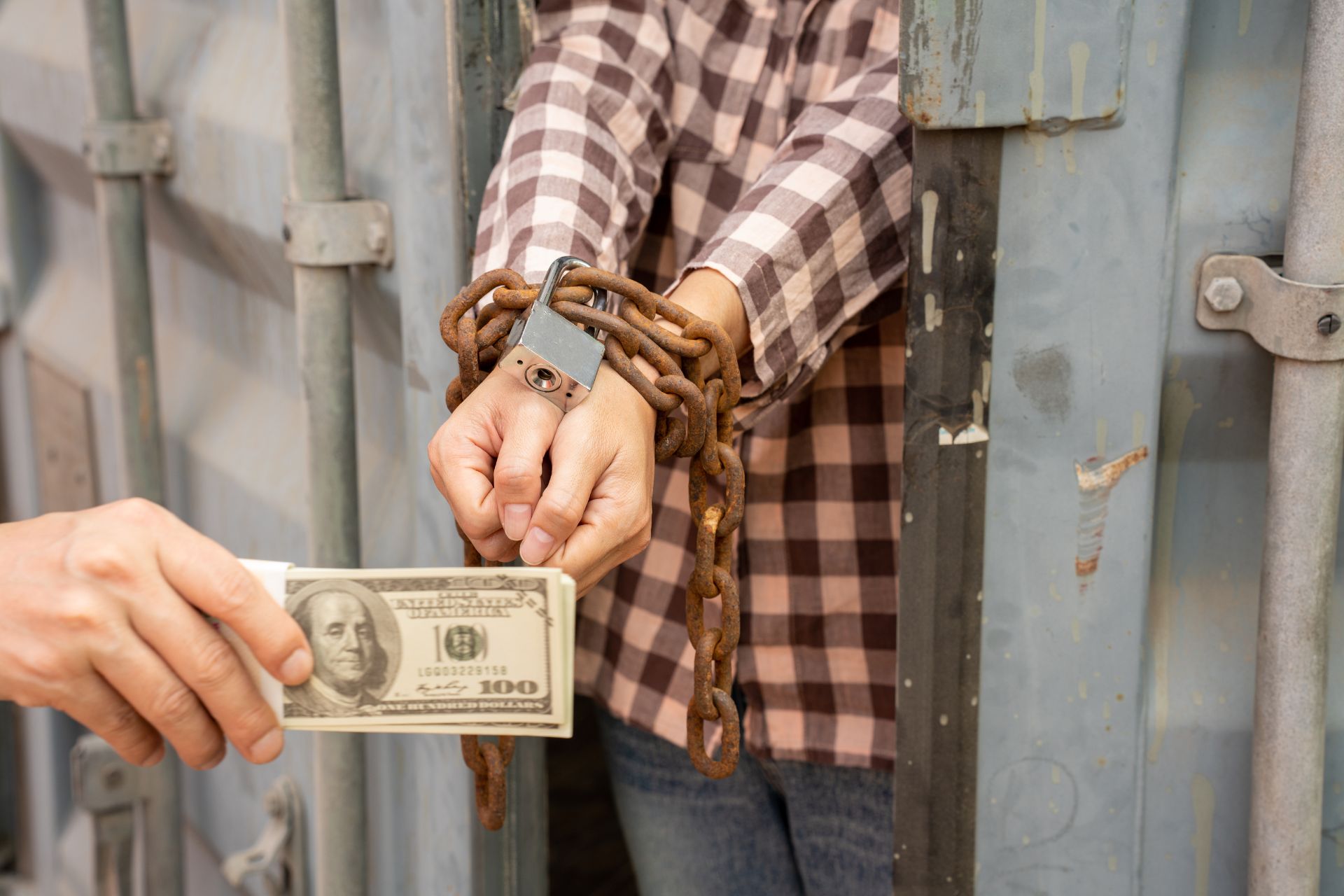
Labor Trafficking

What it is: Forcing people to work against their will through threats, debt, or deception.
Who it affects: Adults and children working in industries like agriculture, factories, construction, and domestic work.
Where it happens: Farms, factories, restaurants, homes, and anywhere where cheap labor is exploited.
Domestic Servitude

What it is: Forcing someone to work in a private home as a domestic servant with little or no pay.
Who it affects: People (mostly women and children) who live in their employer’s home and are isolated from the outside world.
Where it happens: Private homes where the worker may be hidden from the public.
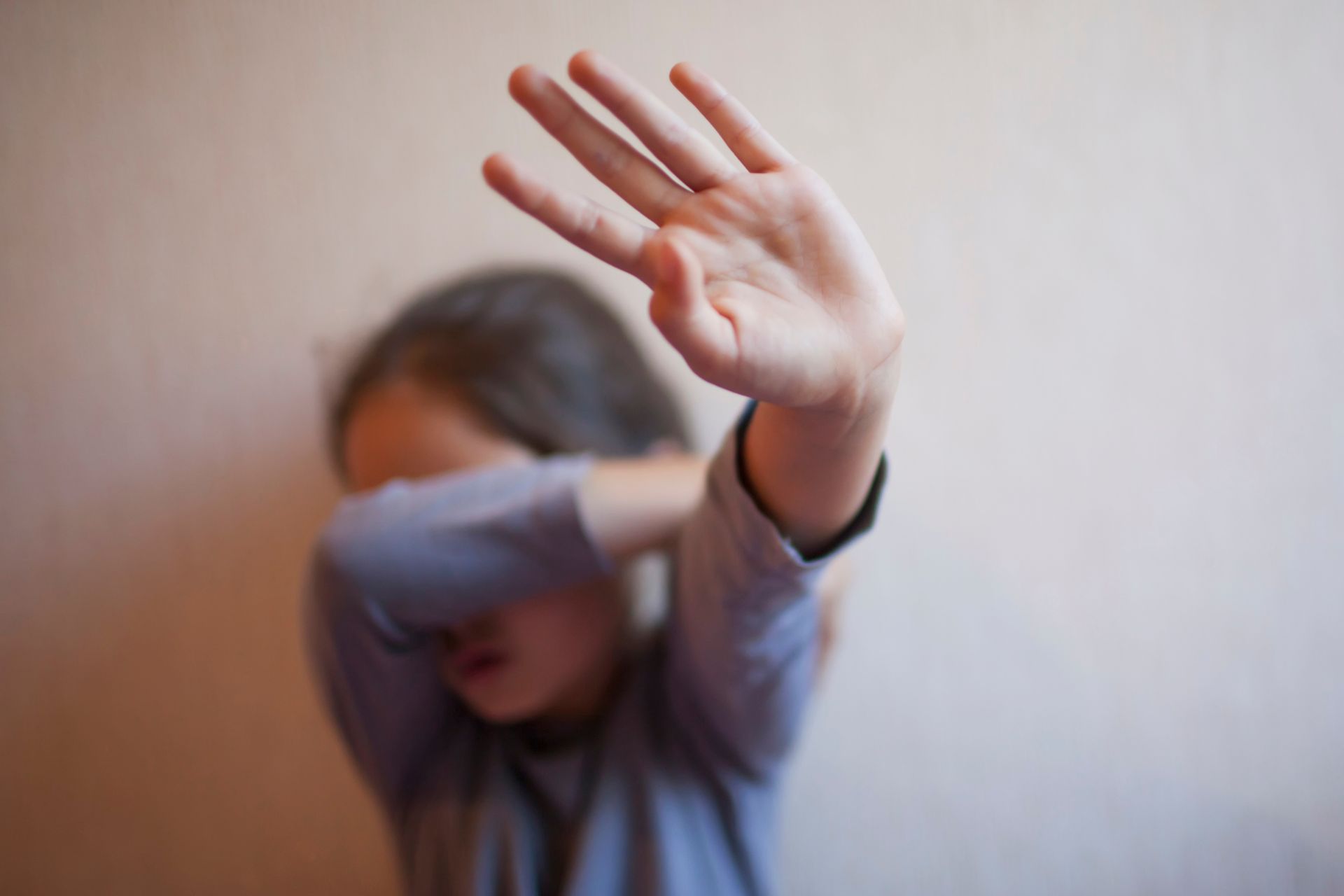
Child Trafficking

What it is: Exploiting children for sex, labor, or other illegal activities
Who it affects: Children under the age of 18, often from vulnerable or unstable environments.
Where it happens: Foster care, online platforms, orphanages, and in communities with limited oversight.
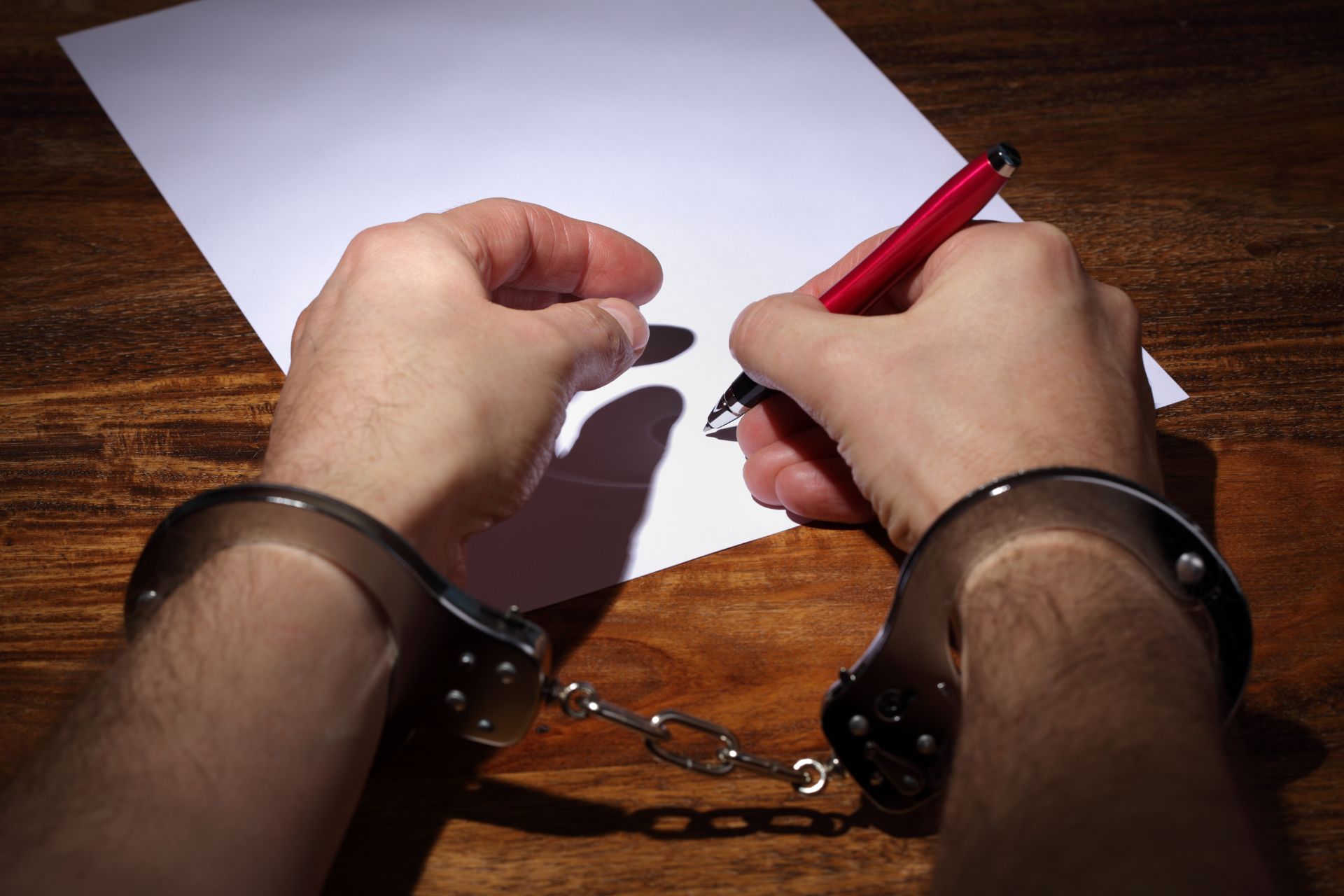
Forced Marriage

What it is: Forcing someone to marry against their will, often for financial, cultural, or social gain.
Who it affects: Forcing someone to marry against their will, often for financial, cultural, or social gain.
Where it happens: Both in the U.S. and internationally, often within close-knit communities or religious sects.

Join Our Fight

Facts:

  • It is a $150 BILLION per year business.
  • Globally, 40.3 million girls, boys, women, and men are estimated to be trafficked.
  • America is the number one consumer.

I hope these numbers make you alarmed, stirred up, and upset!

I hope you want to learn more and see how you can be a part of the change.

We can and must make a difference. Be a “voice for the voiceless.”

Please watch this video. And let it stir something in you to join me in this fight.

Feel free to share the video to educate others and raise awareness. Together we will make a difference.

Scroll to Top