
A Survivor’s Story: From Silence to Empowerment
By: Courageous and Free Staff
Traffickers sometimes confine victims in ordinary places, like this old RV, to avoid detection. One young survivor working with Courageous and Free, whom we’ll call “Sarah” (name changed for privacy), exemplifies both the challenges and hope in helping victims come forward. Sarah was only 19 when she escaped a trafficking situation orchestrated by someone she once considered her boyfriend. After getting out, she began her healing journey and eventually started working with Courageous and Free to help other survivors rebuild their lives.
While in recovery, Sarah learned more about what trafficking looks like. She soon realized that two of her close friends were still caught in the same trap she had been in. These friends, both young women around 18–20, did not consider themselves “trafficking victims.” They thought they were just struggling through hard times with the help of Sarah’s former boyfriend (who was, in fact, their trafficker). He had provided them a place to stay – a cramped, rundown motorhome on the outskirts of town – and in return, he was profiting off their exploitation. The two girls believed they owed him for this shelter and that performing commercial sex acts was simply the price of survival. In their minds, they weren’t “trafficked” – they were doing what they had to do, and they remained loyal to this man.
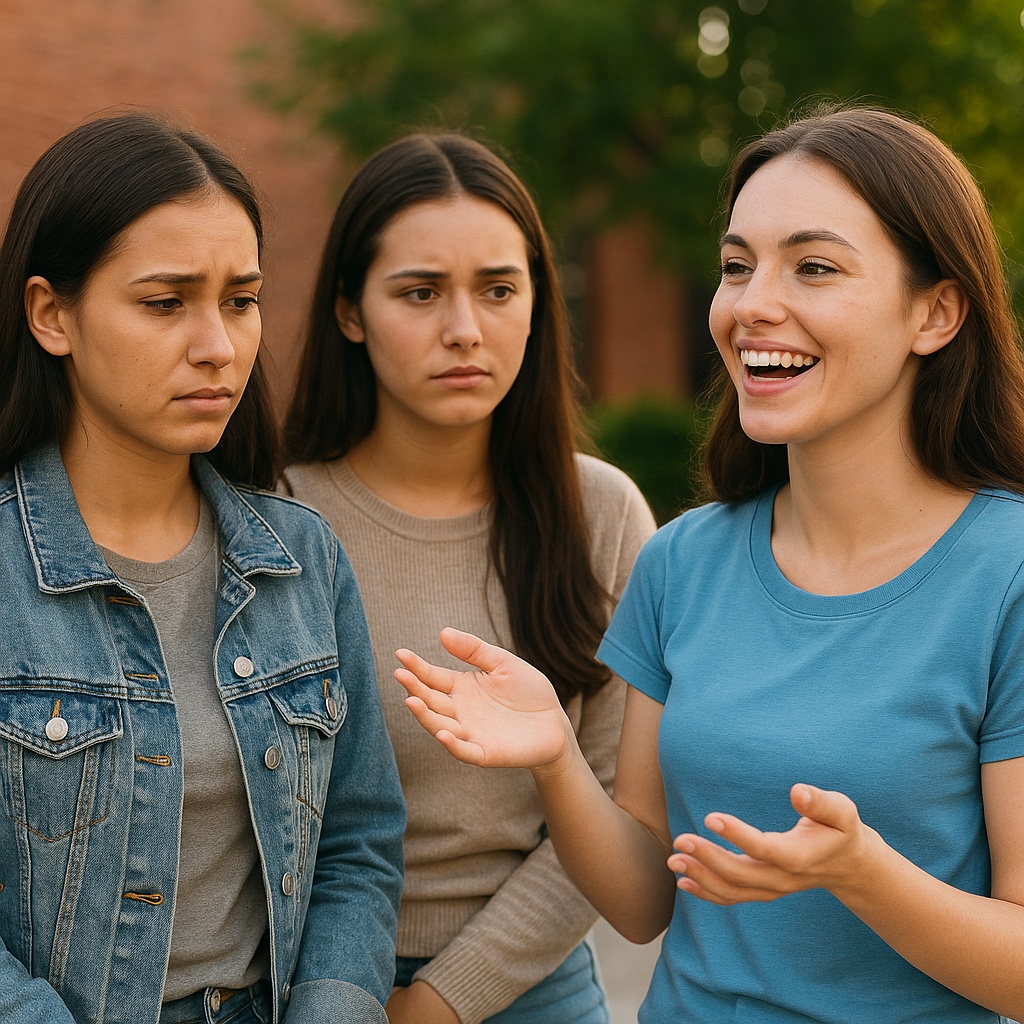
Sarah was uniquely positioned to see the truth. Having survived that trafficker’s lies herself, she recognized the red flags: the isolation, the debt, the way her friends defended the abuser’s actions. Still, she knew she had to tread carefully. Approaching someone who doesn’t see that they’re being exploited requires patience and trust. Sarah gently stayed in touch with her friends, offering a non-judgmental ear. Over weeks, she shared parts of her own story with them – how she eventually realized that the “help” their so-called boyfriend gave was a means to control and exploit her. Little by little, her friends began to question their situation. One night, after a frightening incident of violence by the trafficker, the two girls, called Sarah, were shaken and finally ready to leave.
Sarah immediately brought them to meet Courageous and Free staff, where they were welcomed and assured of their safety. Today, those two young women are free from their trafficker. They are staying in a safe location, receiving counseling, medical care, and document assistance through Courageous and Free’s programs. Importantly, they have also shed the false shame they once carried – now they understand they were victims of a crime, not to blame for what happened to them. Sarah’s courageous intervention not only saved her friends but also empowered them to start new lives. Her story highlights how peer support and education can break the cycle of silence. Often, it takes someone who’s been through it – someone to say “This isn’t right, and you deserve help” – to shine a light into the darkness a victim didn’t even realize they were in.
Breaking the Silence: Empowering Survivors to Seek Help
Sarah’s story ended in hope, but it’s a rare success in a landscape where countless others remain unseen. How can we help more trafficking survivors step forward and get support? Awareness and trust are key. First, communities must educate young people about what trafficking looks like. Many teens and young adults fall prey to traffickers who pose as loving partners or benefactors. By teaching youth (in schools, social media, churches, etc.) about the subtle signs of grooming, the realities of “transactional” sex, and the fact that anyone can become a victim, we can help them recognize abusive situations early. When a young woman understands that her boyfriend’s insistence on selling sex is not okay – that it’s trafficking – she is far more likely to seek help or accept help.
Why Many Human Trafficking Survivors Don’t Ask for Help
Millions are trapped in human trafficking today—yet less than 0.5% are ever identified and helped. Survivors often don’t seek help, not because they don’t want to escape, but because powerful barriers keep them silent.
Why Survivors Stay Silent
- Fear & Threats: Traffickers use violence and intimidation to control. Victims often fear for their lives or their families if they speak out.
- Shame & Stigma: Survivors may blame themselves or fear judgment, especially in case involving sexual exploitation.
- Manipulation & Trauma Bonds: Many victims feel emotionally tied to their trafficker, who may also provide basic needs, affection, or false promises of love.
- Not Recognizing It’s Trafficking: Grooming and coercion often make victims believe their situation is their choice.
- Isolation & Lack of Resources: Victims may be physically cut off from help or unaware that support exists.
These barriers don’t work alone—they compound each other, creating a prison without walls.
Many survivors don’t even see themselves as victims until long after they’re free.
How We Break the Silence
Sarah’s story of escape and healing shows that freedom is possible—but she is the exception, not the rule. To change that:
- Educate early. Teach youth the warning signs of grooming and exploitation.
- Make help visible. Share resources like the National Human Trafficking Hotline (1-888-373-7888), Florida Human Trafficking Hotline (1-855-FLA-SAFE), and local organizations, such as Courageous and Free (1-833-ONE-HOPE).
- Build trust. Survivor-led outreach and trauma-informed care help victims feel seen, not shamed.
Your Role in the Fight
You don’t have to rescue someone to make a difference. A conversation, a question, or simply sharing a resource could be the first crack in someone’s invisible cage.
Together, we can bring more survivors from the shadows into the light of freedom.
👉 Learn more or get involved at CourageousandFree.org
Sources: The insights and statistics in this article are drawn from expert organizations and research on human trafficking, including Polaris (which operates the U.S. National Human Trafficking Hotline), the U.S. Department of Homeland Security, Covenant House’s report on trafficking survivors, and global studies on modern slavery. These sources underscore the urgent need to raise awareness and support for victims who all too often suffer in silence.