
We often think of human trafficking as something that happens far away, in hidden corners of the world. But the truth is more unsettling: trafficking is woven into the everyday products we buy and the media we consume. Without realizing it, our choices may be supporting systems of exploitation.
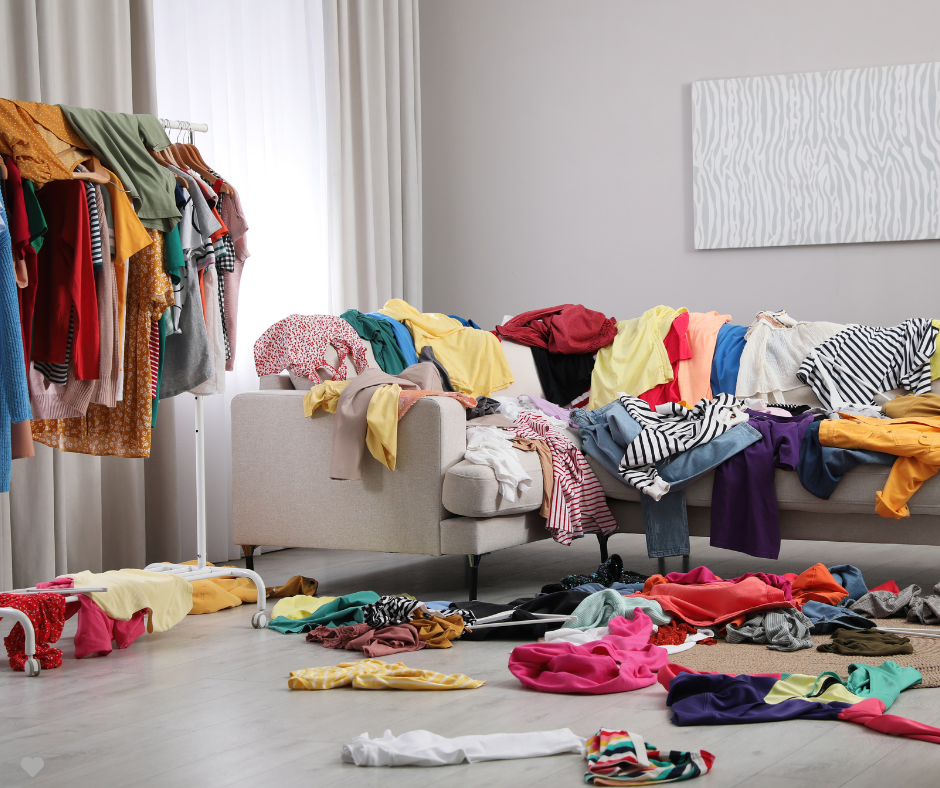
Take the clothes in your closet, the coffee in your mug, or the electronics you use each day. Many of these products are made by individuals, often children, trapped in forced labor. In 2021, the U.S. imported over 20% of the world’s goods most at risk of being made with forced labor. This means the demand for “cheap and fast” products fuels a supply chain built on injustice. Every time we celebrate a good deal without questioning its cost, we may be reinforcing the demand that traffickers exploit.
But it’s not just about physical goods. Our cultural habits also matter, especially when it comes to pornography. While often considered a private act, pornography consumption has been directly linked to sex trafficking. In fact, it was the leading venue for sex trafficking reported in the U.S. in 2020. Victims are frequently coerced into being filmed, with those videos then distributed for profit. Every view, click, and subscription helps sustain a system where people, sometimes minors, are exploited again and again.
The solution begins with awareness. As Hosea warned, “lack of knowledge” destroys lives. But knowledge can also liberate. Choosing to shop ethically, support fair-trade brands, and be mindful of the media we consume can begin to disrupt the cycle of trafficking. As believers, it’s our responsibility to ensure our lifestyles reflect justice and love for our neighbor.